
Why your returns are as important as your sales
By Holly Tucker
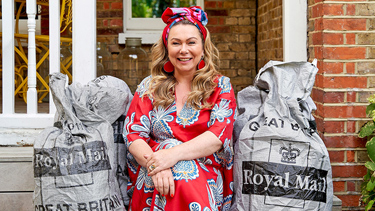
I can hear many of you saying, “Ok Holly, now you’re pushing it. Do you know how much effort it takes to do the marketing, to draw in the customers, to make the sale in the first place? To then watch the kids while you painstakingly create, carefully package and send out a customer’s order only to then have it returned? And then you have to refund the sale on top, often losing the delivery costs and having to safely manage and store the customer’s data throughout the journey… And you think that’s a positive???”
Well, actually yes I do! A sale and a return are both opportunities because it’s a double chance for you to create that emotional connection with your customers. Normally you’d only get one moment to make a difference. So unless it’s something you’ve made a huge mistake on and made somebody utterly livid — trust me, after 20 years in retail I’ve seen a few clangers — then you get to have another reason to create a lasting impression of who you are and what your brand stands for. And that’s pure gold.
With online orders being at an all-time high still since the pandemic, and people being more than twice as likely to shop from social media these days, we are missing the whole ‘touch and try’ side of shopping. So it’s unsurprising perhaps that returns are increasing. Mintel consulting online consumer retailing report 2024, reveals that 76% of online shoppers agree a good returns experience would make them more likely to shop with a retailer again in the future. Think of all that lifetime value or customer loyalty points you can nurture through your positive returns experience!
So often I think we are missing this opportunity to stand out from others, form a positive customer connection and keep the relationship going. So how do you go about it when you have a mountain of other things on your ‘to-do list? Well, fear not, fellow founders. Here are my top tips…
Remember that communication is key
If you sell personalised or other items that customers can’t return, make this as clear and prominent as you possibly can before they purchase. Especially if something is at a higher price point. Check and double-check people are aware of your policy.
Similarly, the clearer you can be with your product descriptions, the fewer returns you’re likely to have in the first place. According to Mintel consulting online consumer retailing report 2024, 57% of online shoppers have returned products purchased online. We’ve all been there haven’t we, when you open the box only to feel your heart sink like a brick and why would you ever want that to be the case?
These things sound obvious but you’d be surprised how many businesses don’t do it. Leaving things hidden in the small print will do you no favours if a customer has missed it. It’s always better to be clear and have people who are fully on board with your processes than to make a customer feel tricked into a sale (even if you are legally covered).
Plus it’s not just you that needs to communicate well. People like to know where orders are in the system. Being able to track a return and stay informed on progress (understandably) makes us feel reassured. In fact, 67% of online shoppers agree that the option to change time slots on the day of delivery is appealing1, so think about the service you are using and check this is included.
Make your returns as convenient as possible
Depending on your to-do list, getting to the post office can be tricky. So why not remind customers that they can arrange to get their parcels collected from home? Royal Mail offers a service called Parcel Collect that I often use if I’m rushing about. You don’t even need a printer as they offer label-less returns (55% of online shoppers agree having to print off a returns label at home is annoying)2.
Plus they’re flexible if plans change and you need to rearrange sending your return back — and not all companies are. Isn’t it annoying sometimes when you need to go online, find your order number, print out the returns form and so on when the retailer could just pop it in the bag or box when they sent it? The bottom line is that we all just want convenience and options. Think about how you can help customers with that.
Find a service that both you and your customers can trust
I was impressed but not surprised to learn that online shoppers say Royal Mail is one of their most trusted delivery companies3, and it’s the same for returns. People also really value the proof of posting they provide. It’s a service with a remarkable heritage, plus 65% of online shoppers would recommend Royal Mail for deliveries4.
That’s part of the reason why we use them at Holly & Co. I also rather like that the service puts you in control, there’s a good range of options, you can track items easily, both independents and customers trust them, and they’re practically a national treasure! These are the kind of companies that will always get my business. Use them or lose them, that’s what I say.
Source:
1 Mintel consulting, online consumer retailing report 2024
2 Mintel consulting, online consumer retailing report 2024
3 Mintel consulting, online consumer retailing report 2024
4 Mintel consulting, online consumer retailing report 2024