
Business is good – but how do you build on your success? From faster order fulfilment to customer-friendly delivery, Lucy Tobin believes it’s all about convenience.
We’ve all felt the frustration: after popping out for a few minutes, you arrive home to see a ‘sorry we missed you’ message on the mat. Having to call an expensive courier firm helpline or wait in for redelivery can be enough to put you off using that retailer or company again.
In fact, a poor delivery service is one of the biggest reasons that firms lose customers – whilst the growth of social media means it’s likely that a large audience will hear about just one single shopper’s poor experience with logistics. That can cause serious damage to a company’s reputation, even though they almost certainly outsourced the logistics process to another provider.
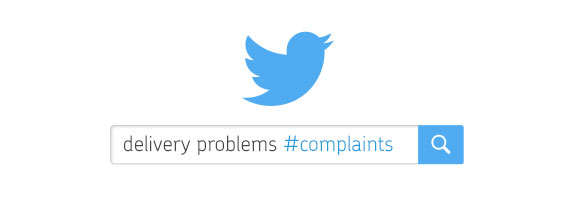
Search for ‘delivery problems’ on Twitter, for example, and there are streams of complaints where consumers rant at retailers big and small for delays or wrong-deliveries. It’s the consumer-facing brand and shops that face the damage – and for a small business that damage can be fatal. So, thinking about customer convenience is crucial for SMEs and can provide a way to both protect and boost sales.
Let customers collect at their convenience
A decade ago, consumers faced very few shopping options: go to a high street store, or buy online and wait the set delivery period (usually seven days) for the item to arrive. After clicking ‘buy’, shoppers had to sit back and wait – they were in the dark about arrival times.
But nowadays, technological developments have brought about big changes. Buyers can opt to pay a premium to have their goods more quickly, automatically receive updates by email or text message with estimated arrival times, and can sometimes even track their items’ progress live online.
Whilst home delivery is still preferred by most shoppers, ‘click and collect’ is one of the fastest-growing trends in logistics: many shoppers don’t want to sit at home for any period of time waiting for a delivery, but are happy to pick up an item from a convenient location. Meanwhile SMEs who sign up to a ‘click and collect’ service can use it to avoid the cost and hassle of arranging ‘final mile deliveries’.
It’s seriously popular in this country: shoppers in Britain use ‘click and collect’ more than any other nation’s consumers. Some 70 million deliveries were made in this way in 2013, and that is predicted to have risen by 17% to 82 million deliveries in 2014.
Click and collect can boost business for companies that sign up to host it, too, since they receive a fee for doing so, as well as benefitting from increased footfall. Demand looks set to surge: Royal Mail has just set up Local Collect, the UK's largest 'click and collect' service through its partnership with the Post Office®, giving its 20,000 SME customers access to 10,500 Post Office® branches as a secure parcel collection facility whilst customers have the option of collecting purchases from a local Post Office® branch.
Give people confidence they’ll get the goods
So how can SMEs boost customer loyalty by thinking about logistics? Launching a fleet of delivery vans might be possible for a huge retailer, but such a move would be unaffordable for the average small business, unless they have a very localised customer base.
Parcelforce Worldwide launches new interactive service to improve delivery convenience
Instead, laying on as many convenient delivery options as possible is crucial. Just failing to offer click and collect services could cost SMEs as much as £200m, especially at busy times like Christmas. According to retail analysts Conlumino, the service - currently offered by just 18% of small businesses - gives shoppers the reassurance that they’ll be able to get what they want, when they want it. The firm’s research also showed that 42% of consumers said that they would be swayed towards firms offering online ordering and convenient delivery options.
“failing to offer click and collect services could cost SMEs as much as £200m”
Other solutions include automated locker networks, and flexibility with direct-door deliveries - shoppers may want to be able to leave directions for items to be left in a secret place or with a neighbour, for example. That sort of option doesn’t require huge investment on the part of the SME or their logistics supplier, but gives consumers the confidence that their parcel will arrive whether or not they are at home.

Information is also important: take advantage of ‘application programming interfaces’ (APIs), which allow you to plug in info on despatch dates so your customers can receive text or email updates when their goods arrive. Where that online tracking technology is available, share it with customers: any investment you make in these services will likely be offset by the reduction in phone calls from consumers asking questions about delivery slots – or making complaints about those ‘sorry we missed you’ messages.
Lucy Tobin is a Senior News Feature & Business Writer at the Evening Standard, and writes regularly for The Times, Guardian and The Sunday Times. She is the author of several books including ‘Entrepreneur: how to start an online business’ and ‘Ausperity: live the life you want for less’.